
The flaw that became the feature
Nousaku turned 100% tin's biggest weakness into bendable tableware that draws 120,000 visitors a year to a rural Japanese foundry.

Created with AI, human-directed at DLKR.
Somewhere in your product is a quirk you treat as a weakness: the thing that’s slower, odder, or harder to explain than the competition. The instinct is to hide it or engineer it away. This piece walks through a brand that did the opposite, and built its whole position on the flaw everyone told it to remove.
A tin cup that bends
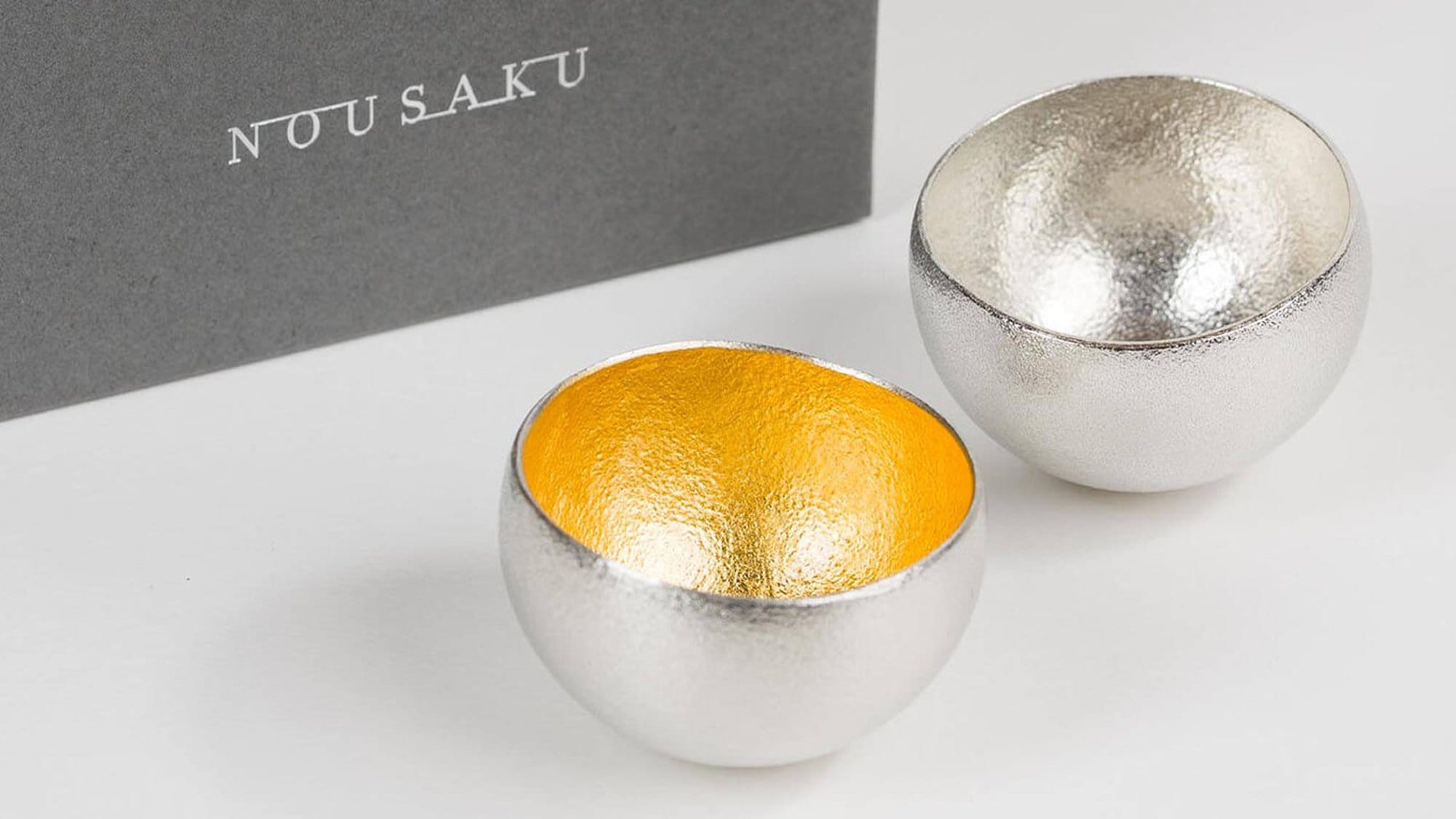
Pick up a Nousaku tin cup and squeeze it. It gives. The rim bends under your fingers, reshaping itself to fit your grip. Set it down and it holds the new form, slightly different from the one it left the factory with.
This is not a defect. This is the product.
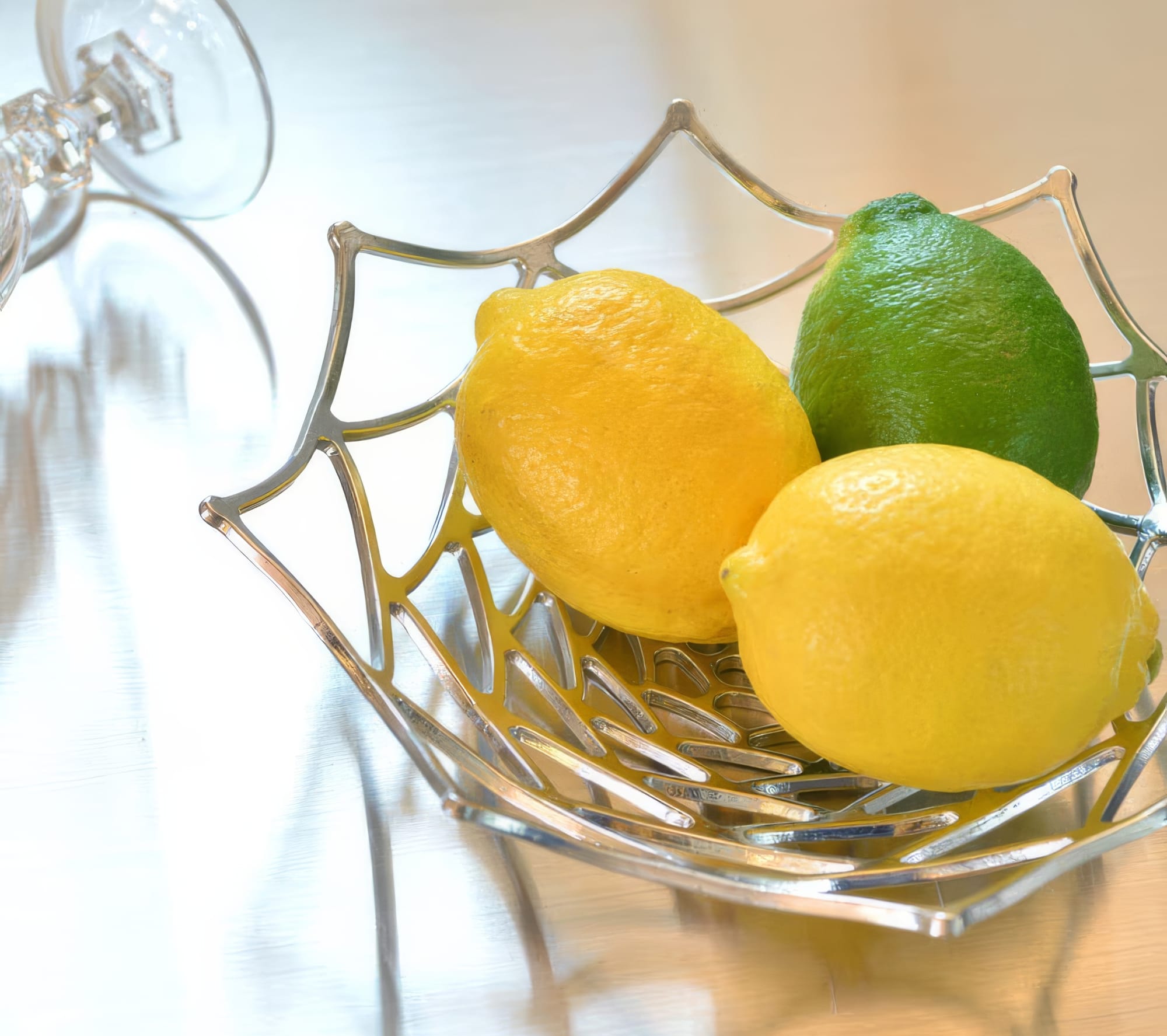
Nousaku is a casting company in Takaoka, a small city in Toyama Prefecture, on Japan’s north coast, where metalworkers have been pouring molten alloys into molds for over 400 years. For most of those four centuries, the companies here made the same things: Buddhist altar fittings, tea ceremony utensils, flower vases. They sold to wholesalers. They never met the person who used their work.
Nousaku did the same. For decades, they cast brass products for other companies and shipped them out the door. They didn't know where the pieces ended up. They didn't know what price they sold for. They had no brand, no customers, no voice.
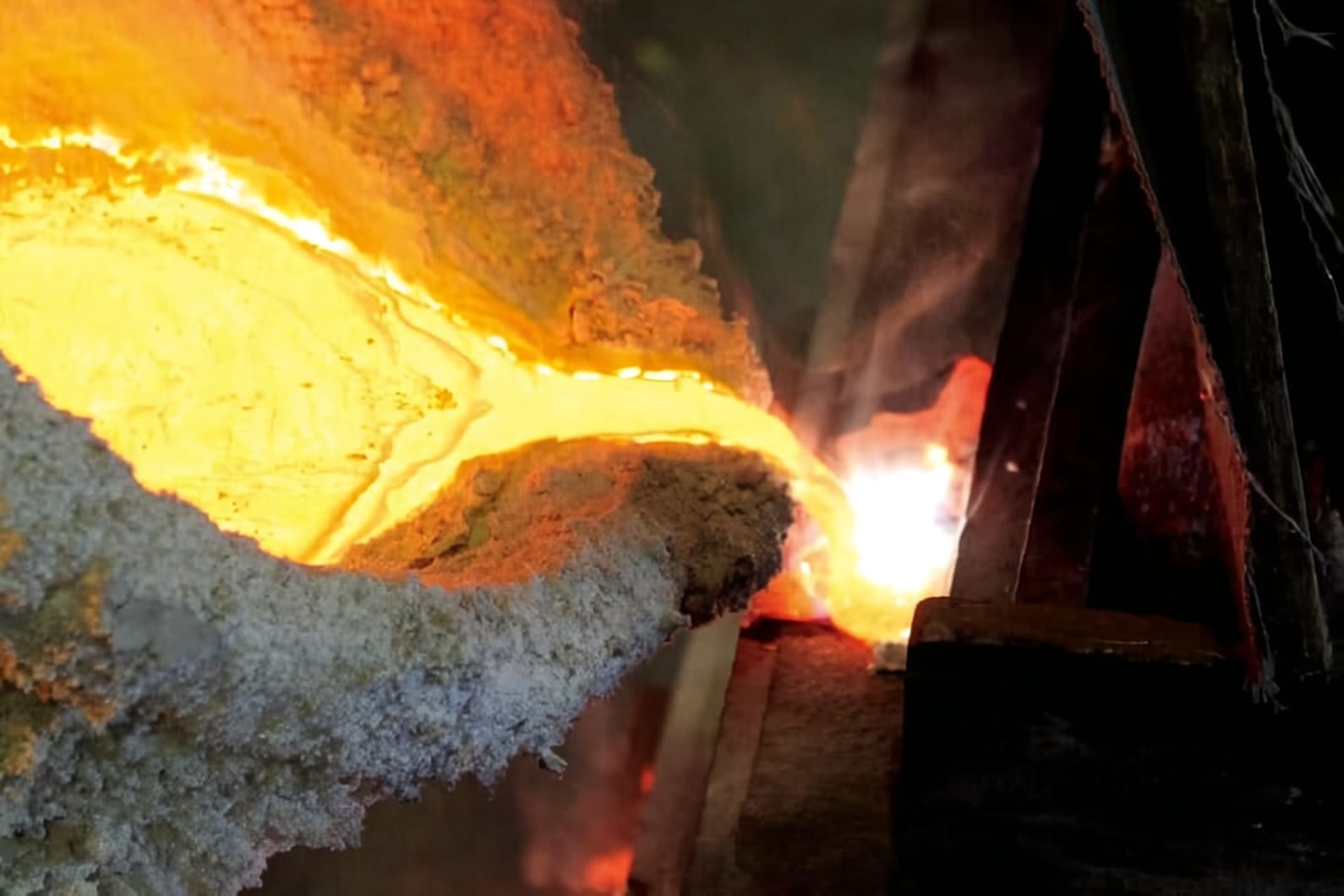
Today, 120,000 people a year visit their factory. They come to watch craftsmen pour tin at 230 degrees Celsius (446°F). They shape their own cups in a hands-on workshop. They eat lunch served in Nousaku vessels at the on-site café. The company's revenue has grown tenfold. They've collaborated with Pokémon. Their bendable KAGO baskets sit in MoMA's design store.
All of this traces back to a product flaw that nobody could fix and a designer's seven-word suggestion that reframed the entire company.
The outsider in the foundry
Nousaku Katsuji was not born into this world. He worked as a cameraman at a major newspaper before marrying into the Nousaku family at 27. In Japan, this is called mukoyōshi, a man who takes his wife's family name and enters her household. His income dropped to a third of what the newspaper paid. The casting community in Takaoka, tight-knit and skeptical of newcomers, called him yosomono. Outsider.
He spent eighteen years on the foundry floor, working alongside artisans in heat that exceeded 1,200 degrees Celsius (2,192°F). He once lost four liters of blood in an industrial accident. He learned the craft the slow way.
One afternoon, a mother and her elementary school son came through on a factory tour. While Katsuji demonstrated casting techniques, the mother leaned toward her boy and said, just loud enough to hear:
"Look closely. If you don't study properly, you'll end up like that man."
Katsuji froze. He'd spent years building pride in this work. And here was a local resident, standing in his foundry, treating the craft as a cautionary tale.
That comment became fuel. He decided to make casting work something the community would respect, something children in Takaoka would point to with pride instead of pity. The question was how.
One sentence that changed everything
The answer started with tin.
Most casting companies mix tin with other metals (lead, antimony, bismuth) to make it harder. Pure tin is soft. Too soft, by industry standards. A cup made of 100% tin dents if you press it. A bowl warps if you grip it wrong. Every manufacturer knew this. The softness was the problem.
Nousaku tried anyway. In 2003, they developed the first tableware made from 100% pure tin, nothing added. The purity gave the metal a beautiful luster and made drinks taste noticeably cleaner (tin ionizes water and rounds off bitterness). But the softness remained. People could bend their cups by accident.
Katsuji brought the problem to product designer Koizumi Makoto. He laid it out: the tin is beautiful, the function is real, but it bends.
Koizumi's response was seven words in Japanese:
"曲がるなら、曲げて使えばいい。"
If it bends, make bending the point.
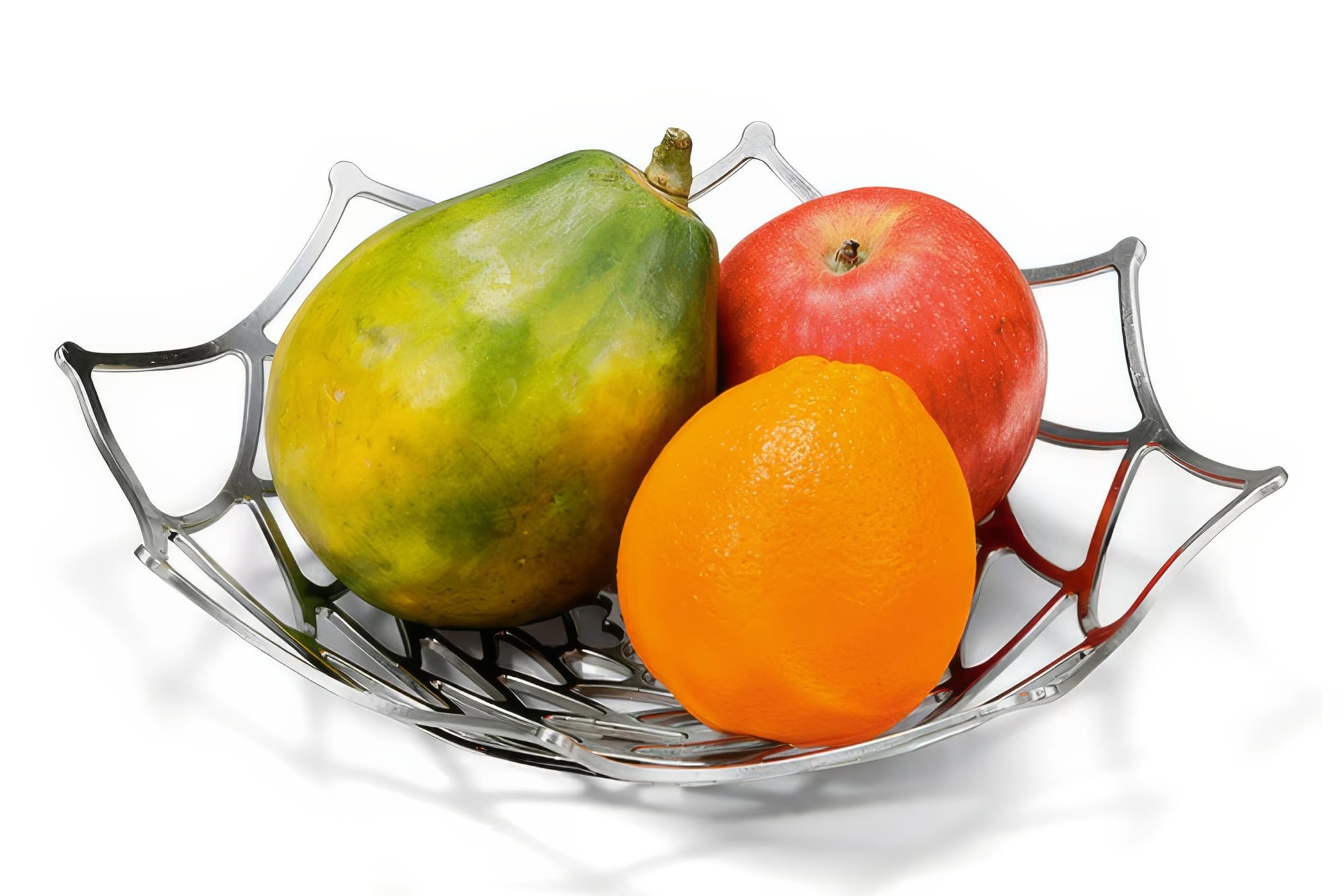
That sentence restructured the company. Instead of fighting the material's nature, Nousaku designed for it. They created KAGO, a series of flat tin sheets cast in fine lattice patterns that customers bend into bowls, baskets, and trays with their bare hands. Every piece ends up different. The buyer becomes the final designer.
The wind bells came from a similar moment of listening. Nousaku had made a handbell with a clear, bright tone, but handbells have almost no market in Japan. A retail shop staffer suggested they turn the sound into a wind bell. They did. It became a million-unit seller.
Two decisive products. Neither invented in a strategy meeting. Both came from someone close to the material or the customer saying one obvious thing that the company, deep inside its own assumptions, couldn't see.
Positioning: from invisible supplier to destination brand
Before 2002, Nousaku had no brand. They were a supplier, one of dozens in Takaoka's shrinking casting industry. Their positioning was nonexistent because they had no direct relationship with the people who used their products.
The shift happened in layers.
First, they made something with their own name on it. In 2002, Katsuji designed a brass bell and sold it as a Nousaku product. Not through a wholesaler. Directly. For the first time in the company's history, they controlled the design, the price, and the conversation.
Second, they committed to a single material identity. Hundreds of things can be cast. Nousaku chose to anchor their brand on 100% tin. One material, one reason to remember them.
Third, they stopped trying to fix their weakness and built around it instead. The bendability of pure tin wasn't a bug to engineer away. It was a feature to design toward. This is positioning at its most fundamental: choosing what you stand for by choosing what you refuse to hide.
The lesson for DTC founders is direct. Many brands spend years trying to match competitors on the dimension where they're weakest. They should be doing the opposite. Find the thing your category considers a liability. The trait that makes you different in a way that feels uncomfortable. Build your position around that.
Identity: letting the material speak
Nousaku's visual identity follows a principle common in Japanese craft: let the material do the talking.
The products are uncoated. Uncolored. The tin's natural silver-white finish is the palette. Over time, the surface develops a gentle patina that records how the piece has been used and handled. Two KAGO baskets bought on the same day will look completely different after a year because each one carries the marks of its owner's hands.
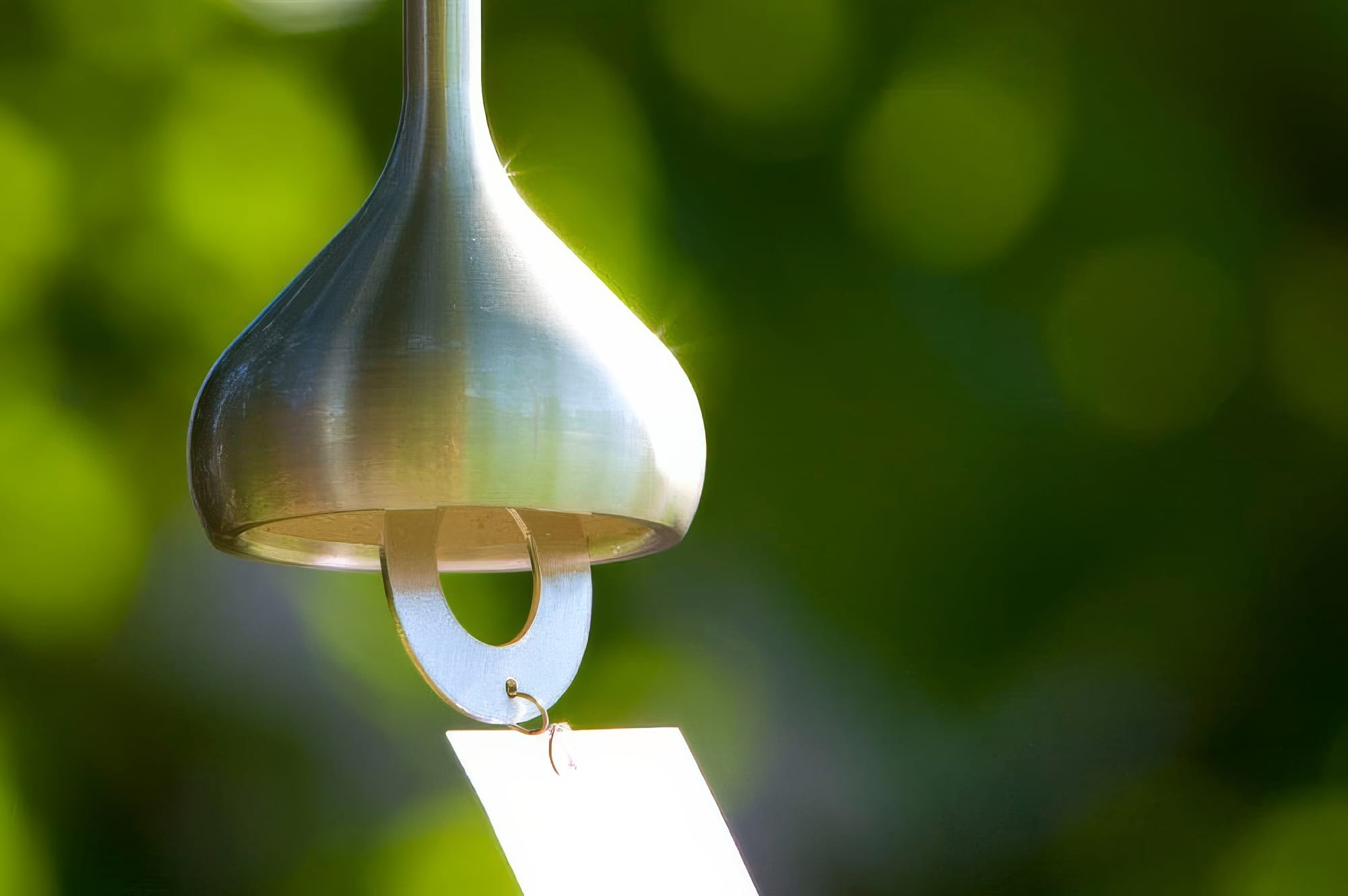
The packaging is clean and restrained. No excess ornamentation. The box protects the product and presents it with care, but the tin does the convincing once the lid comes off. When the product carries real material weight, the design system's job is to step back and let it land.
For the brand's physical home, Nousaku invested ¥1.6 billion (roughly $10 million) in a new headquarters built as much for visitors as for production. The building is open, light-filled, transparent. You can see the foundry floor from the café. The architecture says exactly what the brand believes: the making is the message, and there's nothing to hide.
Storytelling: the factory you want to visit
Most brands tell their story through content. Nousaku tells theirs through proximity.
The factory tour is free. Visitors walk the production floor, close enough to feel the heat from the furnaces. They watch sand molds being packed by hand, molten tin being poured, finished pieces being filed and polished. Nothing is staged. The work is the show.
Then they step into NOUSAKU LAB. This is the workshop where visitors cast their own tin cup or small plate, using the same sand-casting technique the artisans use. They choose a mold, pour the tin, wait for it to cool, and file the edges smooth. The process takes about an hour. They leave with a piece they made and a physical memory of how the craft works.
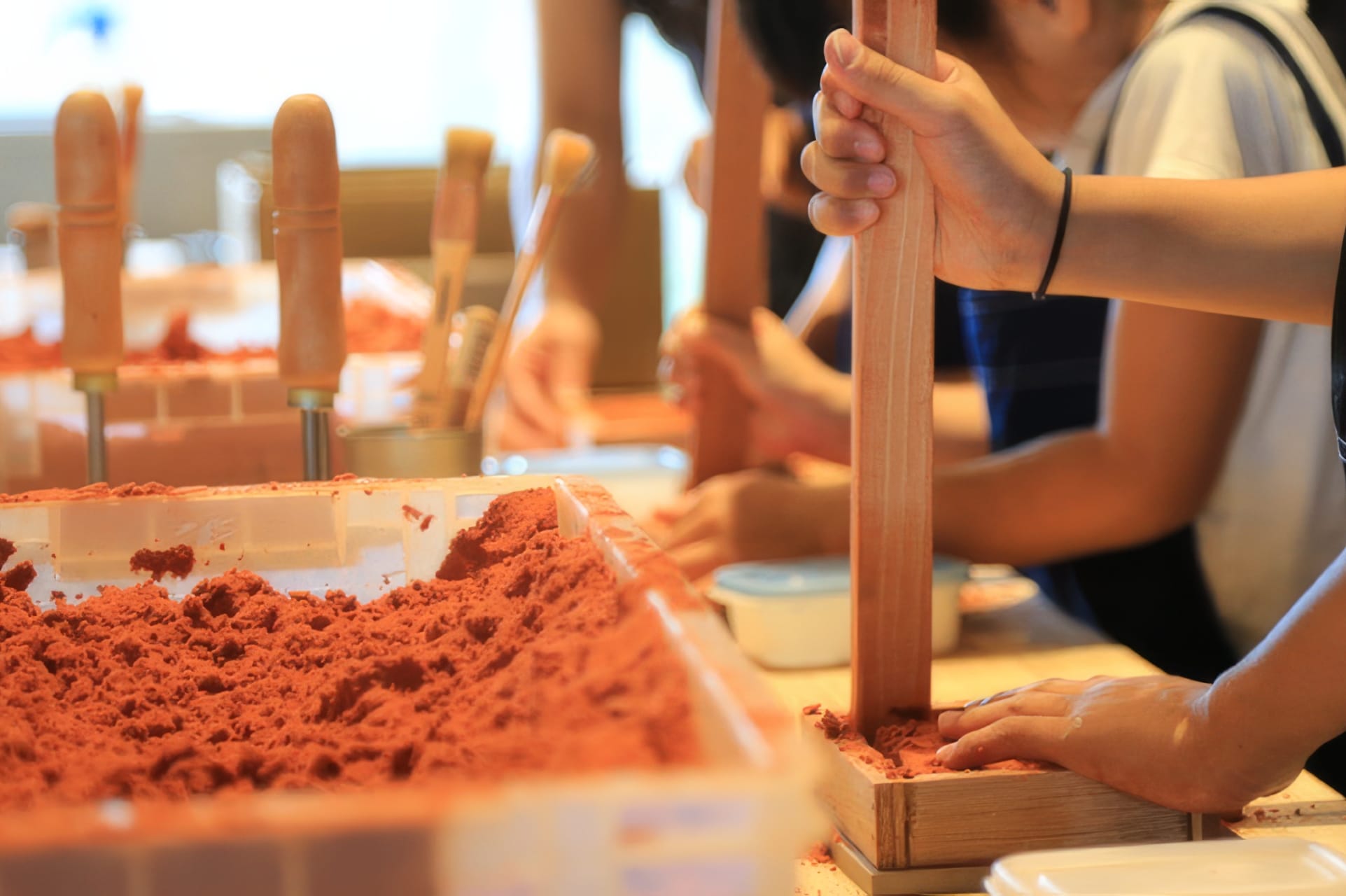
120,000 people a year go through this experience. To put that number in context: Takaoka's total population is about 166,000. Nousaku draws a crowd equal to 72% of the city's entire population, every year, to a casting factory.
This is storytelling without a content calendar. The factory isn't supporting the brand. The factory is the brand. Every visitor becomes a carrier of the story because they've lived a piece of it. They didn't read about tin casting. They did it.
Katsuji's management approach reinforces this. He runs what he calls shinai keiei (しない経営), or "don't-do management." No sales targets. No sales department. No pressure to close. Employees don't pitch products. They talk about Takaoka, about the artisans, about what tin does to the taste of a cold drink. The sale follows the story, not the other way around.
When asked about the purpose of the factory tourism program, Katsuji gives the same answer every time, and it has nothing to do with revenue or PR: he wants the children of Takaoka to feel proud of the industry their city built.
Full circle. The mother who told her son he'd "end up like that man" was the wound. 120,000 visitors a year is the answer.
What this means for your brand
Nousaku's story is specific to tin casting in a rural Japanese city. But the structural lessons are portable.
Stop fixing your flaw. Feature it. Every brand has a dimension where it's "weaker" than the category norm. Nousaku's tin was too soft. Instead of hardening it, they designed for softness. Look at whatever your competitors would call your weakness. Is it actually a differentiator you've been trained to suppress?
You don't need a sales team. You need a story people experience. Nousaku has no sales department. What they have is a factory that 120,000 people a year choose to visit. If you sell online, build an experience that makes the customer feel like they've been inside your process. Not just an "add to cart" click.
One material. One conviction. Nousaku makes many products, but they all trace back to 100% tin and the belief that purity matters more than hardness. A single material commitment forces clarity. It's easier to say "we're the 100% tin company" than to explain a catalog of unrelated items.
The best ideas come from the edges. The KAGO came from a product designer, not a casting engineer. The wind bell came from a shop staffer, not a product manager. Katsuji himself was a newspaper cameraman, not a metalworker. The person with the freshest perspective is usually the one standing at the boundary between your world and someone else's.
Listen to the insult. The mother's comment was cruel. It also contained a truth: the local community didn't value casting work. Instead of dismissing that as ignorance, Katsuji took it as data and spent the next two decades changing the underlying reality it described.
Sources and further reading
Sources are in Japanese unless otherwise noted.
-
How Traditional Metalworker Nousaku Created a Unique Brand
Nippon.com, January 27, 2020, independent journalism: English-language overview of the factory tour model and product development. -
The day my spine froze: the words from a mother that changed my life
Diamond Online, Nousaku Katsuji, October 8, 2019, book excerpt: first-person account of the childhood insult that shaped his career and the decision to rebuild the brand. (Japanese) Original title: 人生で最も背筋が凍りついた日!僕の人生を変えたある母親のひと言 -
Why Nousaku invested in factory tourism thirty years before it became fashionable
Diamond Online, Nousaku Katsuji, December 22, 2019, book excerpt: how industrial tourism became a growth engine, with 120,000 annual visitors to a rural factory. (Japanese) Original title: 子どもたちが地元を誇れるように!なぜ、「能作」は30年も前から産業観光に力を入れているのか? -
Cambria Palace: Nousaku, from subcontract foundry to world brand
TV Tokyo, September 12, 2019, television broadcast: national prime-time feature on the factory, tin technology, and brand philosophy. (Japanese) Original title: 錫100%の技術力と魅惑のデザインで客を魅了。下請け鋳物工場が世界に羽ばたいた秘密! -
No selling. No interfering. No worrying. The "don't-do" management of Nousaku
Recruit Blog, Morita Dairi, June 7, 2022, corporate guest talk: Nousaku's counterintuitive management philosophy: no sales team, no top-down interference, no anxiety over results. (Japanese) Original title: 営業しない。口を出さない。気にしない。富山の鋳物メーカー能作の「しない」経営 -
Reversing the impossible: how Nousaku went from subcontractor to global brand
BizHint, c. 2022, business media: the journey from OEM work to 100% tin products and international retail. (Japanese) Original title: 逆転の発想で不可能を可能に。伝統企業「能作」、下請けから世界的ブランドへの軌跡 -
Now we aim for the world: Nousaku's leadership succession
NN Life Insurance Pedia, June 16, 2023, corporate interview: the handover from founder Katsuji to fifth-generation president Chiharu and international expansion plans. (Japanese) Original title: これからは世界を目指す。能作 会長 能作克治氏 5代目社長 千春氏