
The 500-year move: what shinise know about lasting
Three Japanese houses, 300+ years old, made one move: protect the essence, evolve the expression. The longevity lesson modern DTC brands keep missing.

Created with AI, human-directed at DLKR.
You want to build a brand that lasts, but everything around you rewards the opposite: the next launch, the next quarter, the trend you’re already late to. And when you do try to evolve, it can feel like risking the very thing that made you worth choosing. This piece walks through how some of the longest-lived companies on earth hold that tension. Start with three of them.
In January 2025, Nakagawa Masashichi Shoten (a crafts house in Nara, a historic city in western Japan, founded in 1716) changed its logo for the first time in roughly seventeen years and announced its first overseas flagship store, targeted for 2030. The new mark adds the brand name in Roman letters and the line SINCE 1716 NARA JAPAN. A 309-year-old company decided it needed to be legible to people who can’t read kanji.
In April 2025, Hosoo (a Nishijin textile house in Kyoto, weaving since 1688) debuted a collection called Hemispheres at Milan Design Week, co-created with the Milanese studio Dimore Studio. The fabrics were drawn from Hosoo’s archive of roughly twenty thousand obi design drafts, many deliberately left un-colored so that future generations could finish them. A 337-year-old house handed its unfinished work to an Italian design studio and let them complete it.
In October 2025, Toraya (a wagashi confectioner founded in 1526, around the time Magellan’s crew was finishing the first lap of the planet) marked the 45th anniversary of its Paris store. The anniversary confections used French ingredients: cacao and orange, apple and Calvados. The company describes the principle behind the store plainly: keep the goodness of wagashi as it is, while respecting the local culture and palate.
Three houses. Three crafts. Three centuries of average age between them. One move: each changed how it presents itself while refusing to change what it is.
What is actually happening
This isn’t three companies having a coincidental good year. It’s the visible edge of the deepest bench of old companies on earth.
As of September 2024, Japan had 45,284 companies more than a hundred years old, according to Teikoku Databank’s annual shinise survey. That is about 2.75% of all firms in the country. Of those, 1,813 have passed two hundred years, 889 have passed three hundred, and eleven have been operating for more than a millennium. The oldest, the temple-builder Kongō Gumi, was founded in 578 AD. By Teikoku Databank’s reckoning, more than half of all the companies on earth over a century old are Japanese.

That depth is why the Nakagawa, Hosoo, and Toraya moves matter. They aren’t outliers reaching for relevance. They are routine maintenance, performed by houses that have done it many times before, on a problem most Western brands never live long enough to face: how do you stay yourself across a span of time long enough that your customers, your materials, and your markets all change out from under you?
The Japanese have a word for the companies that solve it: shinise, 老舗, and a long argument about how they do.
The force underneath
The instinct is to credit tradition: these brands last because Japan is reverent about the old. That gets it backwards. The shinise that survive are the ones that change constantly. What they hold fixed is narrow and deliberate, and what they let move is almost everything else.
The discipline has a name that predates all three companies, a concept from the poetics of Bashō’s school in the late seventeenth century, recorded by his disciples in texts like the Kyorai-shō. It rests on separating what never changes from what moves with the moment. The teaching is not that you balance the two. It’s that they are the same thing at the root: pursuing the fluid honestly is how you arrive at the permanent. A house that only preserves becomes a museum. A house that only chases becomes a stranger to itself. The art is knowing which layer is which.
Underneath the philosophy sits a colder mechanism, and it shows up on the balance sheet. Teikoku Databank found that shinise run an equity ratio of 38.76%, against an all-industry average of 28.33%; they carry more of their own capital and lean less on debt. Many earn meaningful non-operating income from land and assets accumulated over generations. This is what reinvestment looks like when it compounds for a century: a company built to absorb a bad decade rather than to maximize a good quarter. Most are family firms governed by a written house code that pairs frugality with a “progressive spirit”: change the expression, protect the essence, hand it on intact.

The proof that this is a mechanism and not a mood is what happens when it breaks. The same survey counted 110 shinise bankruptcies in the first nine months of 2024, already level with the previous annual high, with a quarter of the year still to run. The named causes were not failures of heritage. They were succession failures: no successor to take the baton, and collapses after debt restructuring. When the chain of stewardship snaps, a three-hundred-year-old name dies as fast as a three-year-old one. The longevity was never in the age. It was in the handoff.
So the force underneath the pattern is this: shinise are built for the continuity of trust across generations, not for the rate of growth within one. Everything else (the equity ratio, the house codes, the willingness to redraw a logo or hand the archive to a stranger) follows from treating the business as a baton rather than a possession.
The principle
Strip it to a sentence a founder can hold up against any decision:
A brand lasts when it protects its essence and evolves its expression, and when it measures itself by the trust it can hand forward, not the growth it can extract now.
There’s a second half the Japanese never separated from the first. The Ōmi merchants of the Edo period are remembered for a creed: good for the seller, good for the buyer, good for society. (The three-part phrase itself is a later coinage; the creed it summarizes is older.) The point for a modern brand is structural, not sentimental: a business that is good only for the seller has no reason to be handed forward, because no one outside the seller is invested in its survival. Longevity requires that someone other than you wants you to still be here. That is a strategy, not a virtue.
Application one: separate essence from expression
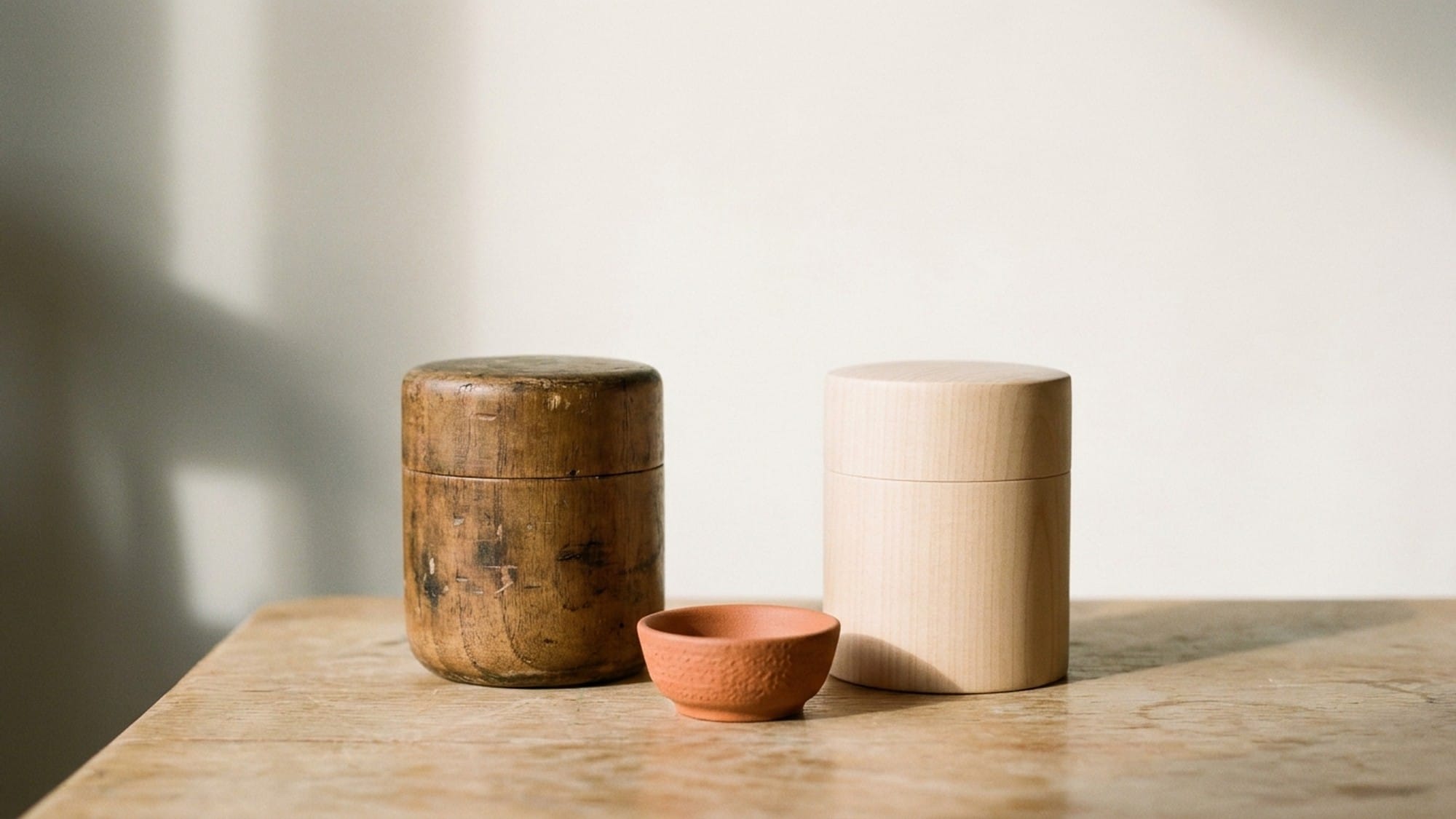
Most brands freeze the wrong things and churn the wrong things. They treat a logo, a typeface, a packaging color as sacred, then quietly rewrite their reason to exist every time a new growth channel opens. The shinise do the opposite. Toraya will reformulate a confection with Calvados for a Paris customer without a second thought, because the recipe is expression. What it will not touch is the standard of what a Toraya sweet is: that is essence.
The work is to draw the line on purpose. Write down the few things that, if they changed, would mean you were no longer the same brand: the actual essence, usually two or three commitments, not a list of fifteen. Then look at everything you currently treat as fixed and ask whether it’s truly essence or just habit wearing the costume of essence. A surprising amount of what brands defend as identity is simply the version they happened to launch with. Nakagawa kept the mission (reviving Japanese craft) and changed the logo it had carried for seventeen years, because the logo was expression and the mission was essence. Read across the three houses and the move is identical: hold the narrow core, and let the surface move freely enough to stay legible to whoever you’re talking to now.
Application two: reinvest like a steward
The second move is about money before it’s about identity: spend like someone who intends to hand the brand on, not like someone optimizing for this quarter. The contrast with the market most DTC founders are building in is stark. By one widely cited estimate, roughly nine in ten direct-to-consumer brands are gone within five years. In the second quarter of 2025, Shopify store closures outpaced new openings for the first time (about 1.5 closures for every new store) as customer-acquisition costs climbed and the post-2021 boom thinned out. The dominant model funds growth by buying attention faster than the brand earns trust, which works precisely until the moment it doesn’t.
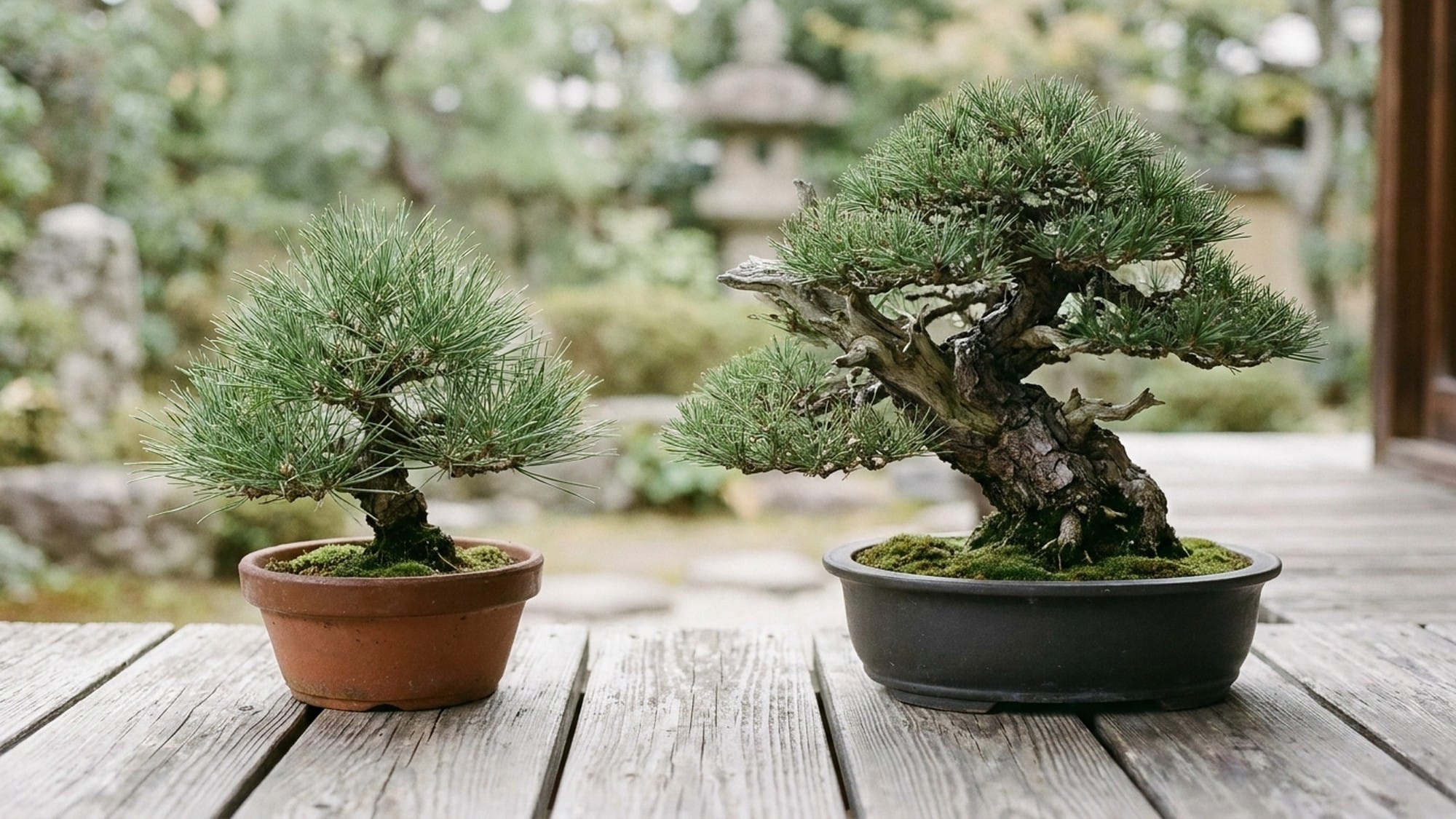
The shinise model inverts the order of operations. It builds the balance sheet that lets the brand survive a bad year, keeps to its core business rather than diversifying for its own sake, and reinvests the surplus instead of extracting it. A founder can’t manufacture three centuries of retained earnings, but the posture transfers directly. Carry less debt than the growth playbook tells you to. Treat a brand asset (a customer relationship, a supplier relationship, a reputation for one specific thing) as capital to compound, not inventory to liquidate for this quarter’s number. Ask of any growth tactic whether it strengthens the thing you’d hand to a successor or merely borrows against it. The brands that triangulate longest are the ones that read every decision against the baton, not the burn rate.
The hundred-year test
Fifteen minutes, four steps, a single page of output. Run it on your own brand before the next planning cycle.
- Name the essence. Write the two or three commitments that, if broken, would mean this is no longer your brand. If you list more than three, you haven’t found the core yet: keep cutting.
- List the expression. Write everything customers currently associate with you that isn’t on the essence list: logo, palette, tone, packaging, channel, hero product. This is the layer that’s allowed to move.
- Find the misfiles. Mark anything on the expression list you’ve been defending as if it were essence, and anything on the essence list you’ve quietly let drift. The gap between the two is where most brands age badly.
- Score the baton. In one line, answer: does this quarter’s plan strengthen what I’d hand to a successor, or borrow against it? Pick one word: “Reinvesting” or “extracting.”
Output: one page naming your essence, your expression, your misfiles, and one honest word about which direction you’re running. Hand it to the person who’d inherit the brand and watch which line they stop on.
Your move
Three houses spanning eight hundred years just made the same move three of your competitors will make badly in the next two. They changed the surface and protected the core, and they did it on a timescale that makes a product launch look like weather. The lesson isn’t to act old. It’s to decide, deliberately and in writing, what you will never change and what you will always be willing to change, and then to spend like someone who intends to be here when the answer matters.
The brands that last aren’t the ones that refuse to move. They’re the ones that know which part is supposed to.
Sources and further reading
Sources are in Japanese unless otherwise noted.
-
Nationwide “Shinise” Company Analysis (2024)
Teikoku Databank, Oct 24, 2024. Survey covering the 45,284 companies over 100 years old, the 200/300/1,000-year counts, Kongō Gumi (578 AD), the 38.76% equity ratio, and the 2024 shinise bankruptcy count. (Japanese) Original title: 全国「老舗企業」分析調査(2024年) -
Brand logo renewal and 2030 overseas-flagship announcement
Nakagawa Masashichi Shoten, Jan 9, 2025. Corporate press release covering the first logo change in ~17 years and the global-expansion rationale. (Japanese) Original title: ブランドロゴ刷新および海外旗艦店出店に関するお知らせ -
Hosoo × Dimore Studio, “The Hemispheres”
Axis, June 2025. Design editorial covering the Milan collaboration and the archive of ~20,000 unfinished obi drafts. (Japanese) Original title: 細尾がディモーレスタジオと協働した「The Hemispheres」 -
Toraya Paris 45th anniversary, “Voyage”
Toraya. Corporate campaign page covering the Paris store’s guiding principle and the French-ingredient confections. (Japanese) Original title: とらやパリ45周年 Voyage ―素材との出会い― -
The Unchanging and the Fluid (不易流行)
Kotobank (Nihon Kokugo Daijiten / Nipponica). Reference entry covering the Bashō-school origin and the meaning of the unchanging and the fluid as one. (Japanese) Original title: 不易流行(ふえきりゅうこう) -
The Ōmi Merchants and Their Three-Way Creed
Itochu Corporation. Corporate history covering the seller/buyer/society creed and its origin. (Japanese) Original title: 近江商人と三方よし -
Direct-to-Consumer Brand Statistics & Trends
inBeat. Industry roundup covering the widely cited estimate that ~90% of DTC brands close within five years. -
DTC Brands Are Dying Faster Than Ever
Cahoot, July 2025. Industry analysis covering the Q2 2025 Shopify closures-outpace-openings figure and the CAC-inflation context.